Yamaha RX 100 : The Yamaha RX100 isn’t just a motorcycle; it’s a slice of India’s biking history that still turns heads on crowded streets.
Its classic design, born in the 1980s, captures raw simplicity and speed that modern bikes struggle to match.
A Legend Born in 1985
Back in November 1985, Yamaha joined hands with Escorts Group to launch the RX100 in India, and it hit the roads like a storm.
This 98cc two-stroke bike weighed just 98kg, delivering 11 horsepower that made it zip from 0 to 60 kmph in under 8 seconds—unheard of for its class back then.
Riders flocked to it for that unbeatable power-to-weight ratio, turning everyday commutes into thrilling rides through narrow lanes and bustling markets.
What made it stand out was its no-nonsense build: air-cooled engine, kick-start only, and drum brakes all around.
Yet, it felt alive, with a throaty exhaust note that echoed freedom across cities from Delhi to Chennai. Production started with full imports from Japan until 1990, ensuring top-notch quality that built its reputation.
The Design That Defined an Era
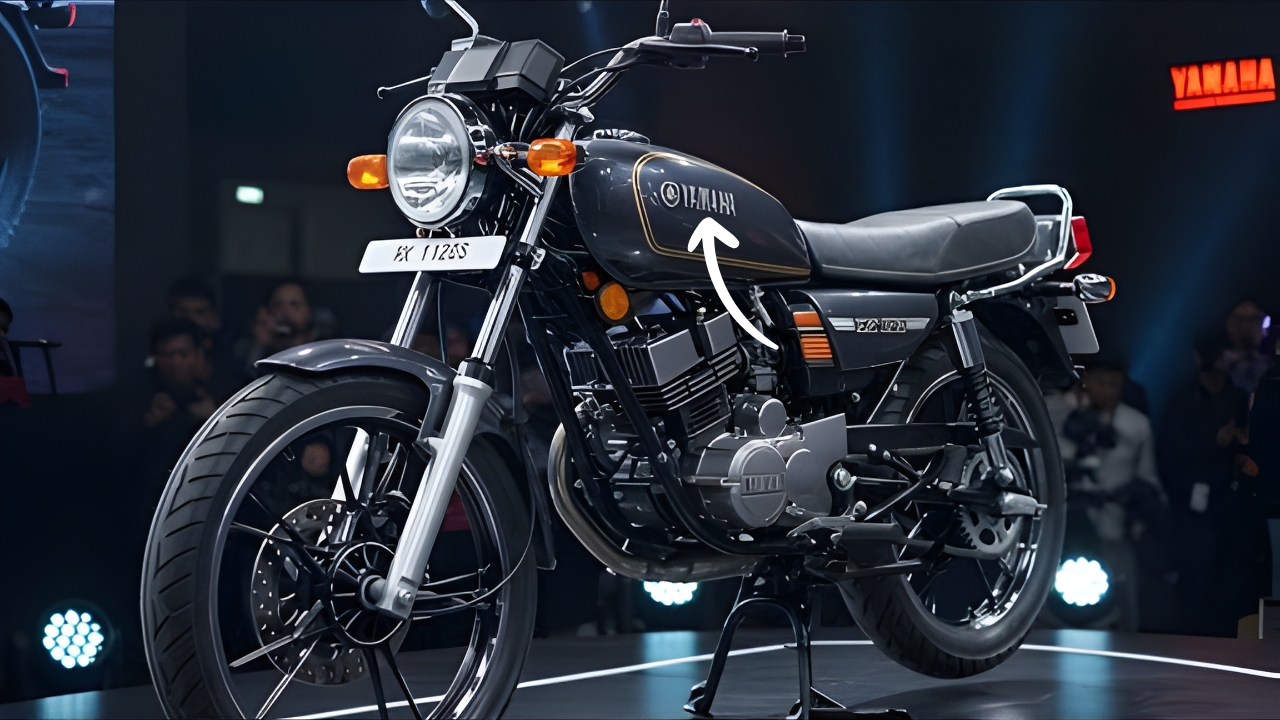
The RX100’s look screams pure ’80s grit—round halogen headlamp that pierced foggy mornings, a teardrop-shaped fuel tank with chrome accents gleaming under the sun, and a flat single-piece seat perfect for solo spins or quick pillion hops.
Its upright handlebar and minimal bodywork gave it a lean, aggressive stance, like it was always ready to dart ahead.
Black, maroon, or peacock blue paint jobs aged beautifully, developing a patina that collectors now pay premiums for. No flashy graphics or plastic panels; just exposed metal frame and spoked wheels that handled potholes like a champ.
This stripped-down aesthetic wasn’t just functional—it embodied the spirit of unpretentious speed, making every rider feel like a racer.
Why the Iconic Silhouette Still Captivates
Decades later, the RX100’s design influences everything from custom cafe racers to modern retro bikes.
Spot one restored model at a Bangalore bike meet, and you’ll see grown men swapping stories of first loves and midnight races. Its compact size slipped through traffic effortlessly, while the lightweight frame made wheelies a playground trick.
In India, where bikes are lifelines, the RX100 became a status symbol for students and cab drivers alike. That boxy tank and chrome fenders?
They weren’t fancy, but they screamed reliability. Even today, modified versions with dirt tracker vibes or scrambler mods keep the flame alive, proving the original blueprint is timeless.
The Heartbreak of Its Exit
By 1996, emission norms killed the two-stroke dream, replacing the RX100 with the tamer RXG. Fans mourned the loss of that addictive snap throttle response and smoky acceleration.
Yamaha shifted to four-strokes, leaving a void no commuter could fill. Well-kept originals now fetch sky-high prices in resale markets, hidden in garages as family heirlooms.
The design’s simplicity made it modifiable heaven—bigger carbs, expansion chambers, even disc brakes for track days.
Tuned ones clocked quarter-miles in 14 seconds, rivaling superbikes of the era on a budget. Its absence only amplified the legend, with social media flooded by “bring it back” pleas.
Revival Buzz Heating Up in 2026
Fast-forward to March 2026, and whispers of a comeback are louder than ever. YouTube “leaks” show renders with the classic round headlamp, curved tank, and chrome bits, but updated with LED lights, digital clusters, and fuel-injected engines over 125cc. Yamaha insiders hint at a late 2026 or 2027 launch, blending nostalgia with BS6 compliance.
Chairman Eishin Chihana has teased a high-performance successor, bigger than 155cc to honor the legacy without ruining it. Fans dream of liquid-cooled power mimicking the old snap, plus telescopic forks and discs.
Social media erupts: “Childhood revived!” If it happens, expect lines snaking around Yamaha showrooms, especially in metros where the original ruled.
Living On Through Mods and Memories
Delhi streets still rumble with surviving RX100s, dodging autos and drawing envious glances. Custom shops in Mumbai turn them into scramblers with knobby tires, tall bars, and tan seats, preserving the iconic vibe. These aren’t museum pieces; they’re ridden hard, proving the design’s durability.
For a new generation discovering it via Instagram reels, the RX100 represents biking before apps and ABS—pure instinct and joy. Its look isn’t outdated; it’s eternal, whispering that true icons never fade.
Why It Matters for India’s Roads Today Yamaha RX 100
In a market flooded by feature-packed commuters, the RX100’s return could reignite passion for fun riding.
Imagine slicing through monsoon rains on that familiar posture, exhaust hinting at glory days against Pulsars or Gixxers. Yamaha knows the demand; a retro hit like Royal Enfield Classics shows the appetite.
Also Read this – 2026 Renault Duster New facelift is launched with eligent luxury features, price is low with powerful engine
Environmentally tuned yet soulful, it’d bridge generations. From 80s icon to potential 2026 star, the RX100’s iconic look endures because it wasn’t designed—it was felt. Highways buzz with anticipation; will Yamaha deliver? One ride, and you’d know why we wait.